Our Story
From the vineyards of the clergy to Encostas de Lafões
Quinta do Rebelo, in Santa Cruz da Trapa, holds a heritage a thousand years deep, with traces of the Roman and medieval eras still visible today.
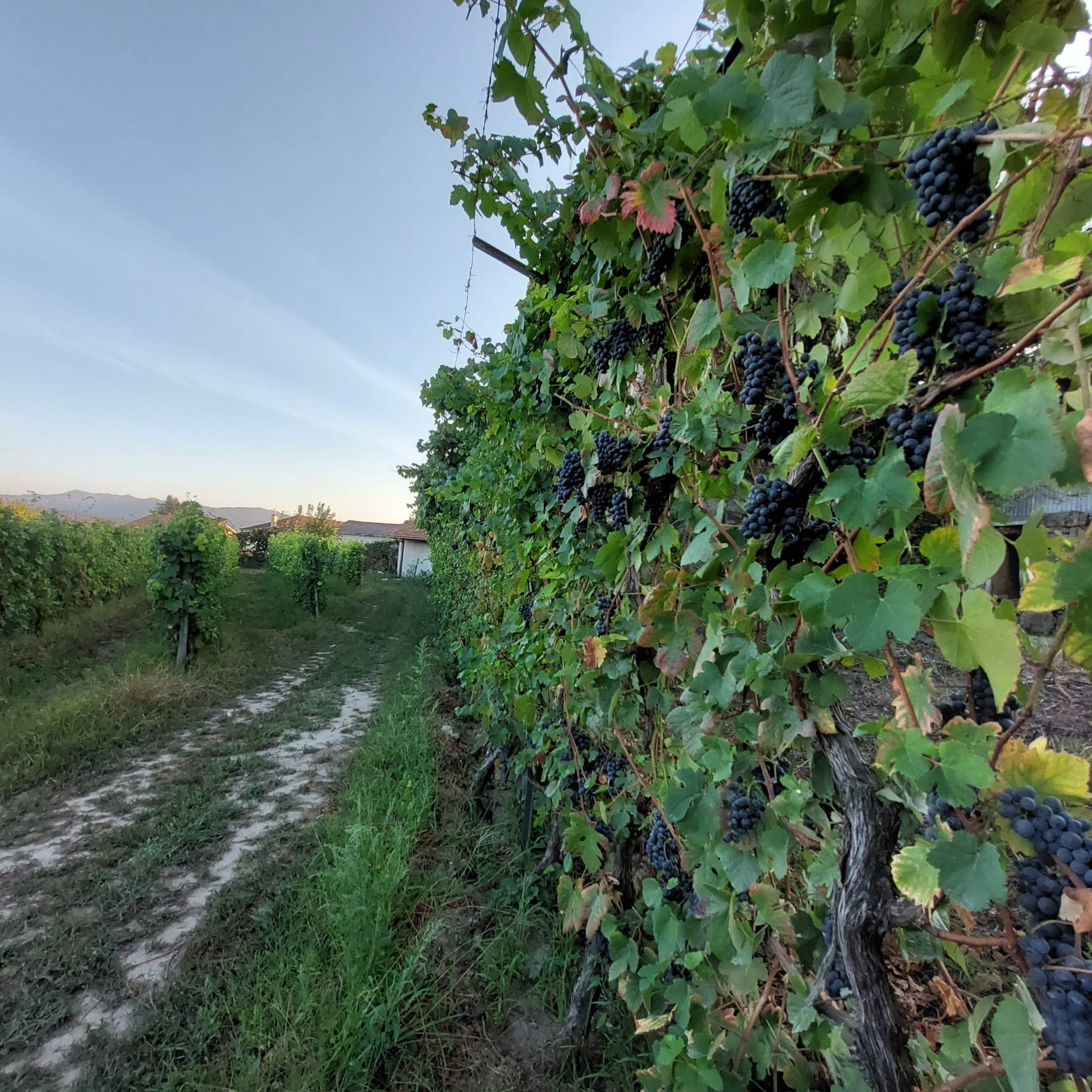
The vine and the clergy
In the Middle Ages the vine was cultivated above all by the clergy. It was they who spread viticulture, perfected the best farming techniques and passed them on to the rural communities.
The old municipality of Santa Cruz da Trapa, where Quinta do Rebelo stands, was dissolved in 1836, when the Council of Lafões was divided between São Pedro do Sul and Vouzela. The region's heritage, however, endured.
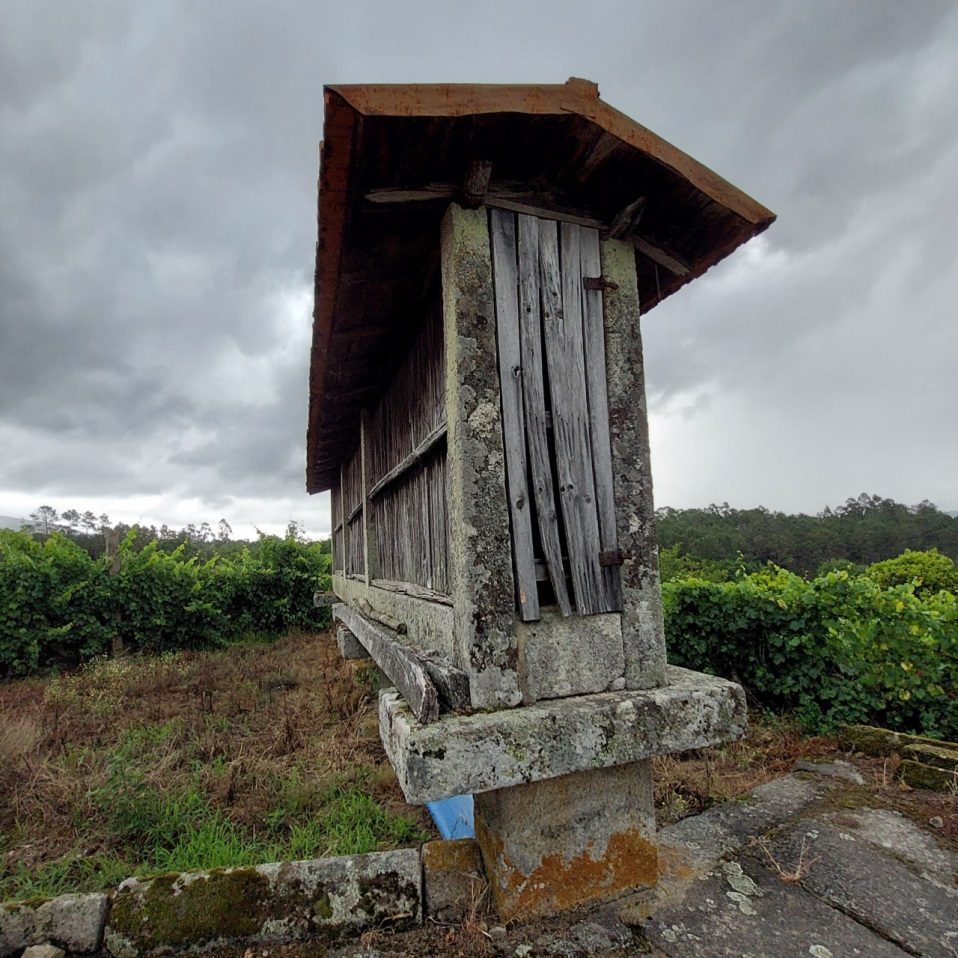
Dom Rebelo and the historic varieties
It was from the second half of the nineteenth century, after phylloxera and mildew swept through, that the Lafões region saw great development. Guided by figures of the clergy, Quinta do Rebelo took its place among them: written records, tools and winery equipment prove that wines of excellent quality were made here.
Father José Rebelo, known as Dom Rebelo, left record of two grape varieties: the white “Roupeiro or Chapeludo” and the red known as “Amaral”. They produced two wines of special character which, drunk cool and fresh, became the drink people reached for first.
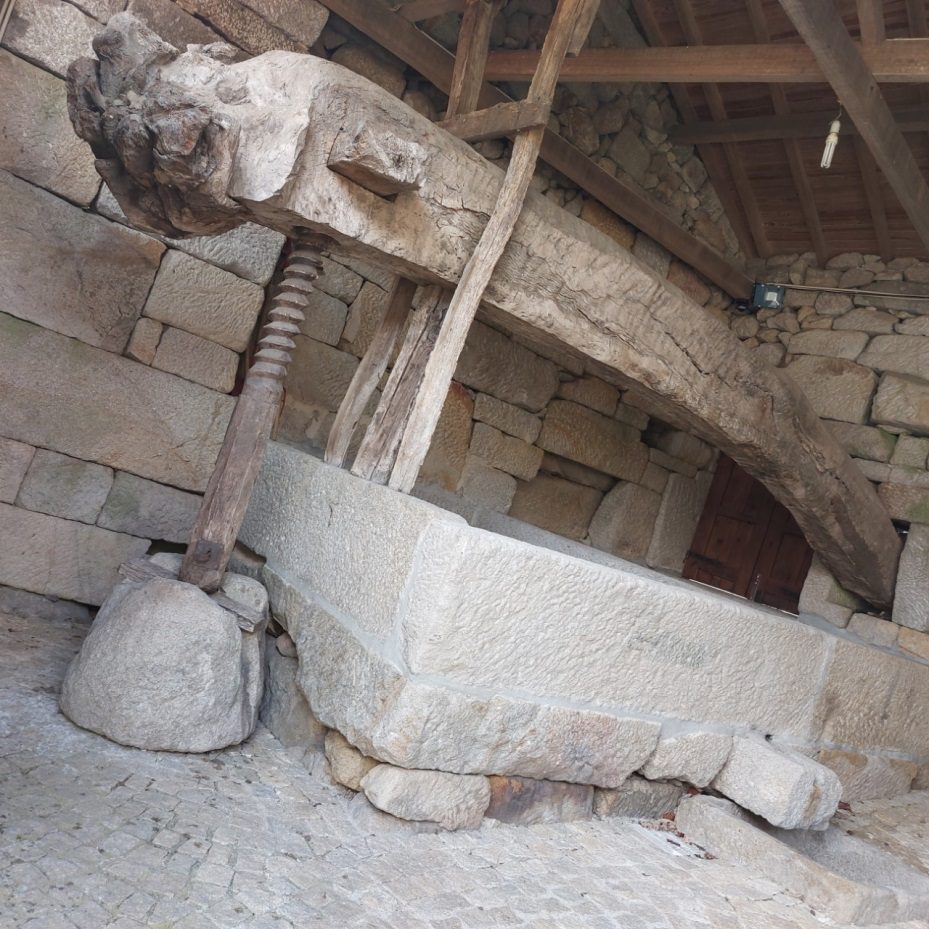
Today
True to the winemaking history of Quinta do Rebelo, holder of the Denomination of Origin, the estate's current owner devoted years to study, to gathering records and to recovering authentic genetic material from the old vines. The result is a white that keeps its true character intact, the closest thing to the genuine wine of the region's former cooperative winery.
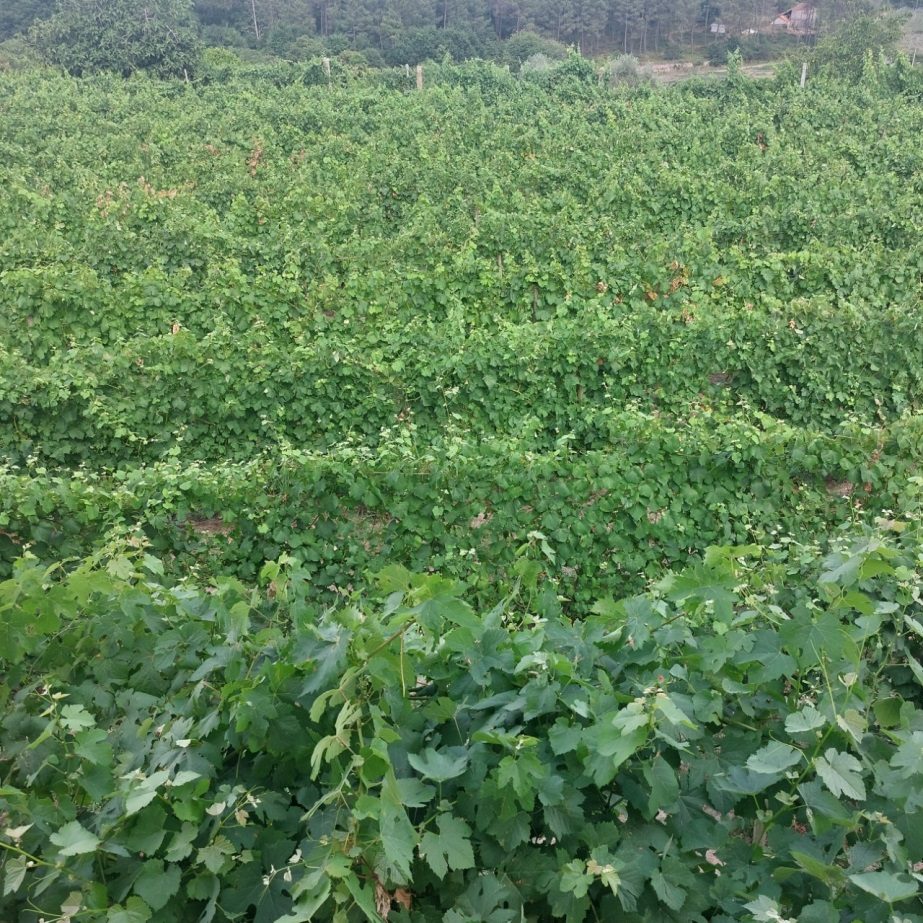
Today the estate is planted almost entirely with white varieties, and the aim is to convert virtually all production to white wine: it is the white grapes that set Lafões apart. When the regional cooperative winery closed, the producer invested in his own winemaking and bottling facility, securing the estate's future.
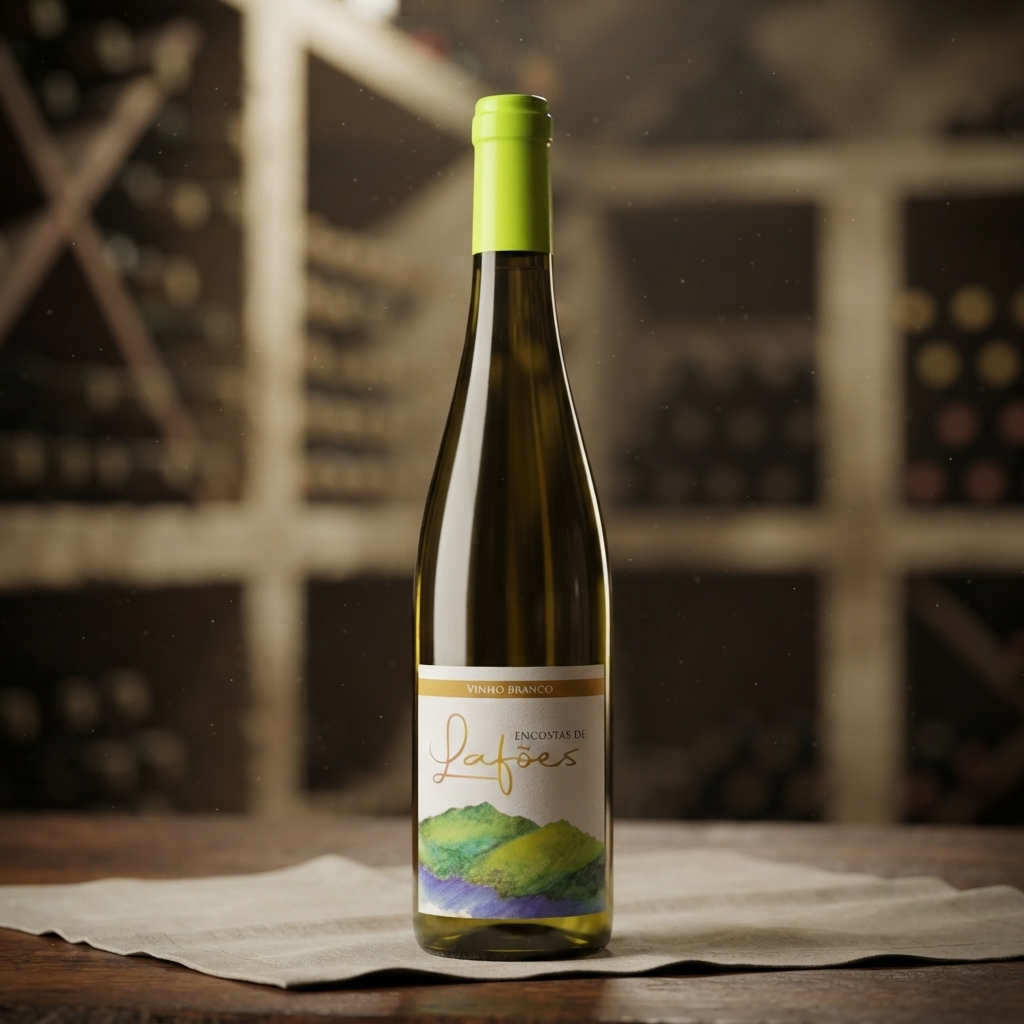
“Wherever a bottle of Encostas de Lafões arrives, the names of Santa Cruz da Trapa, São Pedro do Sul and the Lafões region arrive with it.”
The story continues in the glass